
Stop Foreclosure in NC and Take Back Control
Facing Foreclosure in North Carolina? You're Not Alone.
Foreclosure is one of the most stressful things a homeowner can face, and if you're here, you're probably feeling overwhelmed, uncertain, or even embarrassed. Please know this: you're not alone, and you have more options than you think.
This guide was created to help North Carolina homeowners understand:
- How Foreclosure affects the mind and emotions
- How the foreclosure process works here in NC
- What timelines and warning signs to watch for
- What rights do you have, and what lenders are allowed to do
- The most effective options to stop or avoid foreclosure
- Where to get help without shame, pressure, or judgment
At Ferro Home Buyers, we’ve helped countless homeowners across North Carolina who were facing foreclosure or behind on payments. Whether it’s walking you through your options, connecting you to the right help, or offering to buy your house fast, we’re here to be a real solution, not a sales pitch.
Whether you're months behind on your mortgage or just trying to understand the process before it gets worse, you're already taking the right step by seeking clarity. We'll walk you through it, one section at a time, using real examples and clear, local advice, from people who actually care.
Understanding Foreclosure in North Carolina

1. The Impact of Foreclosure
Foreclosure can feel like everything is crashing down at once. It doesn’t just disrupt your finances — it affects your sense of control, stability, and peace of mind. It can happen to anyone: a job loss, unexpected medical bills, divorce, or even just inflation stretching your budget too thin. The pressure builds fast, and it’s easy to feel stuck.
2. Emotional Repercussions
Many homeowners in foreclosure feel shame, fear, and anxiety. You might be afraid of people finding out, worried about where you'll go next, or feeling like you've failed somehow. We want you to hear this loud and clear: you’re not a failure, and you’re not alone. Thousands of North Carolinians have gone through this — and many have come out stronger with the right support and information.
3. Financial Realities
The most common cause of foreclosure is falling behind on mortgage payments but the reason why varies. Illness, layoffs, rising expenses, or even bad loan terms can all lead to missed payments. Once a loan is considered delinquent, late fees pile on and lenders may start the foreclosure process quickly. That’s why it’s so important to understand your rights and options early.
4. Community Impact
Foreclosure doesn’t just affect the person going through it, affects entire neighborhoods. Vacant homes can drag down nearby property values. Families are displaced. Schools and services feel the ripple effect. That’s why helping homeowners avoid foreclosure is a win for everyone, not just the person in crisis.
5. Purpose of This Guide
Our goal with this guide is simple: to help you make sense of the chaos and take back control. We’ll walk through each stage of the foreclosure process in North Carolina, share your legal rights, break down timelines, and show you realistic options, whether you're trying to stay in your home or need a fast exit. No legal jargon, no scare tactics, just honest, practical guidance from people who understand what you’re facing.
Step-by-Step Foreclosure Process in North Carolina
Foreclosure is a serious and often overwhelming process, but understanding the steps involved can help you regain some control and make informed choices. In North Carolina, foreclosure is typically a non-judicial process, which means it’s handled outside of court and moves quickly unless the borrower contests it. Here’s what to expect and what you can do at each stage.
🔍 Step-by-Step Foreclosure Process in North Carolina
📉 1. Missed Mortgage Payments
The process often begins when a homeowner misses one or more monthly mortgage payments. Lenders are required to notify you in writing before beginning foreclosure. This is your early warning sign to act quickly.
📬 2. Pre-Foreclosure Notice (45-Day Letter)
Lenders must send you a Notice of Default and Intent to Accelerate at least 45 days before starting formal foreclosure. This gives you time to resolve the issue or seek help. During this stage, you can still reinstate your loan or negotiate terms. Learn more from the NC Courts Foreclosure Help page.
📄 3. Notice of Hearing
If the default is not resolved, the lender files paperwork with the clerk of court. You’ll receive a Notice of Hearing about the foreclosure proceedings. This gives you a chance to contest the action, request mediation, or seek legal aid.
⚖️ 4. Clerk’s Hearing
The hearing is typically conducted by the clerk of superior court (not a judge). If the clerk determines the lender followed legal procedures, they’ll issue an order authorizing the foreclosure sale. Learn more from the NC Courts Foreclosure Help page.
🏠 5. Foreclosure Sale / Auction
Your property is then scheduled for public auction, typically on the courthouse steps. This must be advertised for at least 20 days before the sale date. Anyone can bid, including the lender.
⏳ 6. 10‑Day Upset Bid Period & Redemption
After the foreclosure auction, North Carolina offers a 10-day upset bid period in which anyone (including you) can outbid the initial winning bid with an offer at least 5% higher, or at least $750 more. Each new bid restarts the 10-day countdown.
Importantly, during this window, you also have the right to redeem your home by paying the foreclosure sale price plus any interest, fees, or costs due. You might be able to file for bankruptcy and keep your home. This effectively gives you a final opportunity to stop the sale. If you have reached this point, I suggest reaching out to legal counsel.
Read N.C.G.S. § 45‑21.27 – official upset bid and redemption rules
Learn more from NC Courts’ official foreclosure guide
Explore homeowner resources from NCHFA
While raising that amount can be extremely difficult, it’s a powerful legal backup — and it can still buy you time or a better outcome. If you believe you're in this stage, Ferro Home Buyers can help explain what’s next or explore other last-resort options.
Call or text us at 336‑265‑7424.
🏚️ 7. Confirmation and Eviction
Once the 10-day upset bid period ends and no additional bids are submitted, the court may finalize the sale. But it’s important for homeowners to understand that this does not mean immediate removal from the property. There are multiple key dates and phases to keep in mind:
- Court Confirmation: The court confirms the sale after the upset bid period ends. This doesn’t happen automatically and may take days or weeks.
- Deed Transfer: After confirmation, the deed is officially transferred to the new owner, typically the bank or the highest bidder.
- Eviction Filing: If the homeowner hasn’t vacated voluntarily, the new owner must begin the legal eviction process, usually through the local sheriff’s office. This is a separate legal action and adds more time.
In North Carolina, evictions don’t happen overnight. The sheriff will serve notice first, and the homeowner still has a short window to move out before a physical eviction takes place.
If you remain in the property after foreclosure, one possible solution is to negotiate a Cash for Keys agreement. This is when the new owner offers you money to vacate the home peacefully and quickly, avoiding legal eviction. It’s often a win-win: you get time and financial help to relocate, and the new owner avoids the hassle and cost of eviction proceedings.
If you're unsure of your current stage or need assistance exploring last-minute solutions, Ferro Home Buyers is here to guide you. We've assisted homeowners in similar situations and may be able to help you avoid the stress of forced eviction.
Call or text 336-265-7424, no judgment, just help.
Exploring Alternatives to Foreclosure
1. Loan Reinstatement
This means catching up on all missed payments, late fees, and any attorney costs to bring the loan current. In North Carolina, you can reinstate your mortgage up to five days before the foreclosure sale.
2. Loan Modification
With a loan modification, your lender may adjust your mortgage terms, like lowering the interest rate or extending the loan, to make payments more manageable. You’ll need to apply and provide financial documentation to qualify.
3. Forbearance
This is a temporary pause or reduction in mortgage payments, often due to hardship. Lenders sometimes offer this short-term relief while you get back on your feet. Just be aware that payments typically resume in full after the forbearance period ends.
4. Repayment Plan
With a repayment plan, you agree to pay your current mortgage along with an additional amount each month to catch up on the missed payments over time.
5. Refinancing
Refinancing replaces your current loan with a new one, often with better terms. However, this typically requires a decent credit score and equity in the home, which may be challenging if you're already in default.
6. Selling Your Home
If keeping the house isn’t realistic, selling it before the auction is often the best way to avoid foreclosure. A fast cash sale, like what we offer at Ferro Home Buyers, can help you avoid credit damage, legal fees, and months of stress. Contact us to see what your home could be worth today.
7. Short Sale
If your home’s market value is less than what you owe, a short sale may be an option. You’ll need your lender’s approval, but it can prevent foreclosure and may be less damaging to your credit.
8. Deed in Lieu of Foreclosure
This involves voluntarily transferring ownership of your home to the lender. While it still impacts your credit, it may help you avoid the formal foreclosure process and its long-term consequences.
9. Bankruptcy
As a last resort, filing for bankruptcy may temporarily stop foreclosure through an automatic stay. Chapter 13 bankruptcy allows you to catch up on payments over time, while Chapter 7 may delay the process but won’t eliminate the mortgage debt. Speak with a bankruptcy attorney to understand your options.
Choosing the Right Option
No two foreclosure situations are exactly the same. Factors like your income, the home’s value, loan terms, and timing all matter. We always recommend speaking with a HUD-certified housing counselor, an experienced attorney, or giving us a call at 336-265-7424 for a no-pressure consultation. The earlier you act, the more options you'll have.
Take Action Today — Reclaim Control of Your Situation
Facing foreclosure is overwhelming, but you’re not powerless. The sooner you act, the more options you’ll have to protect your home, credit, and peace of mind. Here's how you can take the first steps forward, starting today:
📘 1. Educate Yourself
- Review this full guide carefully and revisit any sections that speak to your current stage.
- Understand your legal rights as a homeowner in North Carolina.
- Explore real alternatives like loan reinstatement, loan modification, or
short sale.
🤝 2. Reach Out for Help
- Speak with a HUD-approved foreclosure counselor who can walk you through your options.
- Contact a foreclosure attorney if needed to ensure your rights are protected.
- Leverage local nonprofits and community groups offering support and financial counseling.
💵 3. Get Clear on Your Finances
- Take a close look at your income, debts, and expenses so you can set a realistic plan.
- Communicate with your lender. Many times, options are available — if you ask.
🧭 4. Make a Game Plan
- Decide on your best course — whether it's staying in your home or transitioning out with support.
- Set realistic goals and track your progress. Every small win counts.
🏁 5. Don’t Wait — Act Now
- Time is of the essence. The longer you wait, the fewer options you'll have.
- Even at the final stages, you might still negotiate a better outcome.
- You’re not alone; many others have faced foreclosure and found a way forward. So can you.
Need Guidance Right Now?
We’ve helped dozens of homeowners across North Carolina escape foreclosure. Whether you're early in the process or right before auction, Ferro Home Buyers is here to help, with no pressure and no judgment.
📞 Call or Text: 336-265-7424
🌐 Website: https://ferrohomebuyers.com
✉️ Fast Help Form: Get My Options Now »
Your Path Forward Starts Here
You’ve already taken the first step by reading this guide. Now let’s keep moving forward — together.
Real Homeowners. Real Relief.
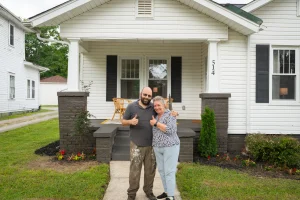
“I was weeks away from losing my house. Ferro Home Buyers stepped in, helped explain everything, and got me a fair offer. I didn’t feel judged, and we were able to close fast.”
Ready to Explore Your Options?
Don’t wait until it's too late. The sooner you act, the more choices you’ll have.
Get a free, no-pressure consultation
Or call/text us at 336-265-7424